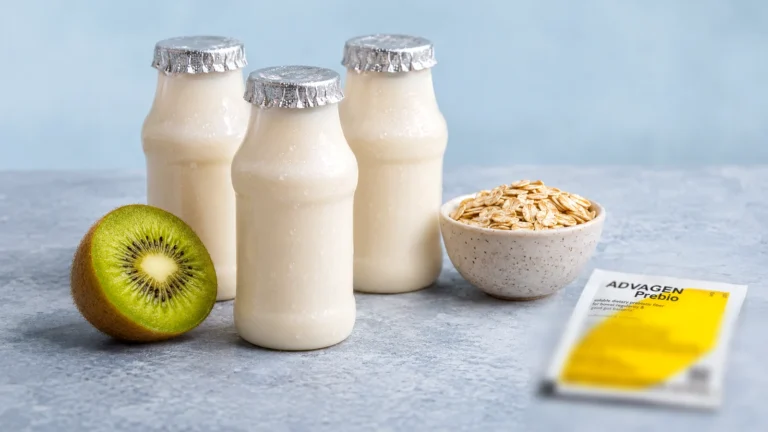

You go every day, so on paper you’re “regular”. But your stools are hard, dry and take some pushing. Can hard stools still be constipation? Yes. Health services such as the NHS and HealthHub don’t only count how often you go. Hard, dry or lumpy stools and straining count as signs too, even when you go daily.
Key takeaways
- How often you go and how easy it is are two different questions. Going daily doesn’t rule out constipation.
- The usual causes are everyday ones: too little fluid or fiber, little movement, holding it in, a change in routine, and some medicines or supplements.
- Blood, black stools, strong pain, weight dropping without trying, or no improvement after a week: see a doctor first.
- The basics are simple: drink enough, add fiber slowly, go when you feel the urge, and sit with your knees above your hips.
Can you be constipated if you go every day?
Yes, you can. The confusion comes from two different definitions.
Some pages go by the calendar. MedlinePlus, from the US National Library of Medicine, says constipation means fewer than three bowel movements a week. It also says it’s not important to go every day. By that definition, if you go daily, you’re fine.
Other official pages look at how it feels. The NHS lists poo that is “dry, hard or lumpy”, and straining or pain, as symptoms on their own. NIDDK, the US digestive health institute, says the same. HealthHub in Singapore describes constipation as difficulty or a drop in how often you go, and notes that stools are usually hard and dry.
| Official page | Counts going less often | Counts hard, dry or lumpy stools or straining |
|---|---|---|
| HealthHub (Singapore) | Yes | Yes: difficulty passing, small, hard or dry stools |
| NHS (UK) | Yes | Yes: dry, hard or lumpy; straining or pain |
| NIDDK (US) | Yes | Yes: hard, dry or lumpy; difficult or painful to pass |
| MedlinePlus (US) | Yes: fewer than three a week | Mentions stools can be hard, but defines it by frequency |
So if you go daily but it’s a struggle, three of these four pages would still count that as a sign of constipation. How often is normal is a separate question. Our guide on how often you should poop covers it.
What makes stools hard even when you go daily
Hard stools usually come from ordinary things: too little fluid or fiber, not moving much, holding it in, a change in routine, stress, or some medicines. HealthHub and the NHS list much the same causes:
- Not enough to drink. Long office days with air-con and few water breaks add up.
- Not enough fiber. SingHealth says the average Singaporean eats about 13 g of fiber a day, well under what’s recommended. Our guide on what fiber is good for constipation covers the different kinds.
- Not moving much. Desk work, long commutes, a week without exercise.
- Holding it in. Skipping the toilet because you’re in a meeting or out of the house.
- A change in routine or diet. Travel, shift work, a new eating plan.
- Stress. HealthHub lists it as a cause.
- Some medicines and supplements. HealthHub mentions calcium or iron supplements, antacids and some heart or blood pressure medicines. If you take any of these long term, ask your doctor or pharmacist. Don’t stop or change them on your own.
On a high-protein eating plan? We look at how that can change things in why high-protein diets can slow things down.
When hard stools need a doctor first
Most hard stools come down to routine and food. But some signs mean you should see a GP or polyclinic before trying anything else. HealthHub lists these:
- It doesn’t get better within a week, or it gets worse
- Blood in your stools, or black or sticky stools
- Very bad stomach pain or cramping
- Fever, nausea or vomiting
- A sudden change in your bowel habits, especially if your weight is also dropping
- A change in the type or texture of your stools
- Constipation that swaps with diarrhoea
- Needing constipation medicine every 2 to 3 days or more often
NIDDK adds two more: weight dropping without trying, and colon or rectal cancer in your family. It also says to see a doctor if symptoms don’t go away with self-care.
None of these is something to fix at home. Get it checked first.
Everyday steps that make stools easier to pass
If none of the warning signs apply, these are the steps the official pages keep coming back to. According to the NHS, some people see a change in a few days, while for others it can take a few weeks.
- Drink regularly through the day. HealthHub suggests a minimum of six to eight cups of fluid a day. Keeping a bottle on your desk makes that easier. Our guide on how much water to drink with fiber goes into this.
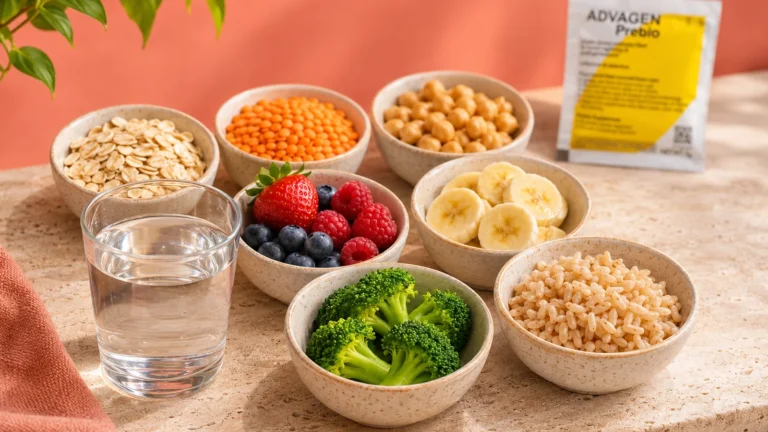
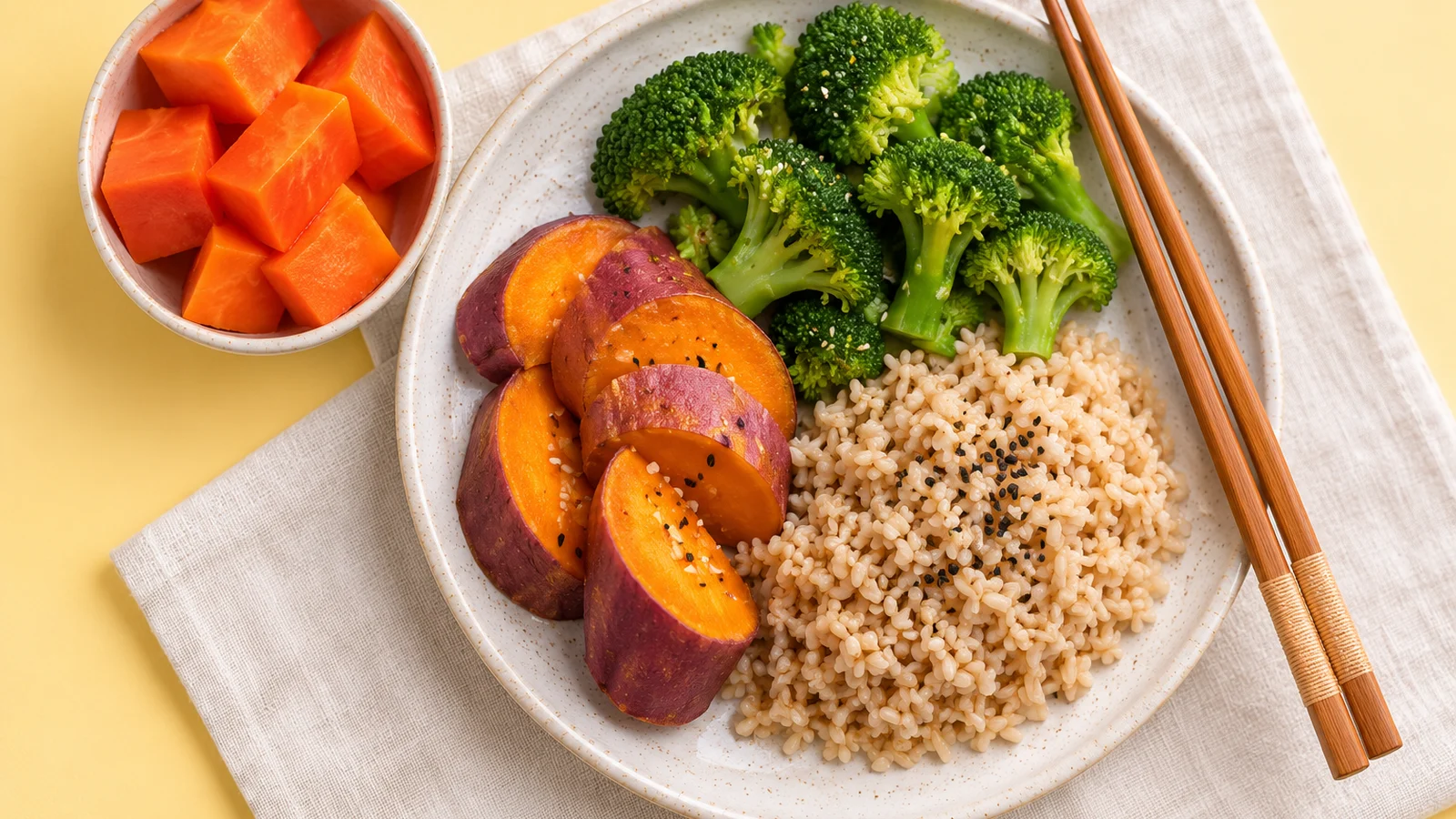
- Add fiber, slowly. Think vegetables, fruit, wholegrains, beans and lentils. HealthHub’s fiber page warns that too much too fast can bring gas and bloating. SingHealth suggests building up over 2 to 3 weeks. NIDDK puts it simply: more fiber with enough fluid “should make your stools softer and easier to pass”.
- Go when you feel the urge. Holding it in is one of the causes above. HealthHub’s advice is to go whenever you feel the urge to empty your bowels.
- Give it a regular slot. NIDDK suggests giving it a go 15 to 45 minutes after breakfast, since a meal helps your colon move stool along. The NHS suggests a regular time and place, with plenty of time.
- Change how you sit. HealthHub’s tip: sit leaning forward with your back straight and your feet flat or resting on a foot stool, so your knees end up higher than your hips. A small stool by the toilet does the job.
- Move a little every day. The NHS recommends a walk or run every day to keep things moving. A walk at lunch, or getting off the MRT a stop early, counts.
As for how much fiber to aim for, Singapore’s official pages don’t all give the same number. HealthHub’s fiber page says 20 g for women and 26 g for men. Its constipation page says about 25 to 30 g, and SingHealth says 30 g.
Whichever you go by, most of us are some way short, so food is the first place to start. If you’re unsure which kinds of fiber suit you, see what fiber is good for constipation.
Where a fiber supplement fits
Food comes first. But on busy days, when it’s mostly hawker meals and not many vegetables, getting enough fiber can be hard. A soluble fiber supplement can help you reach your daily fiber intake. It’s a top-up for your meals, not a replacement and not a treatment. If your stools are still hard after a week of the steps above, see a doctor rather than adding a supplement.
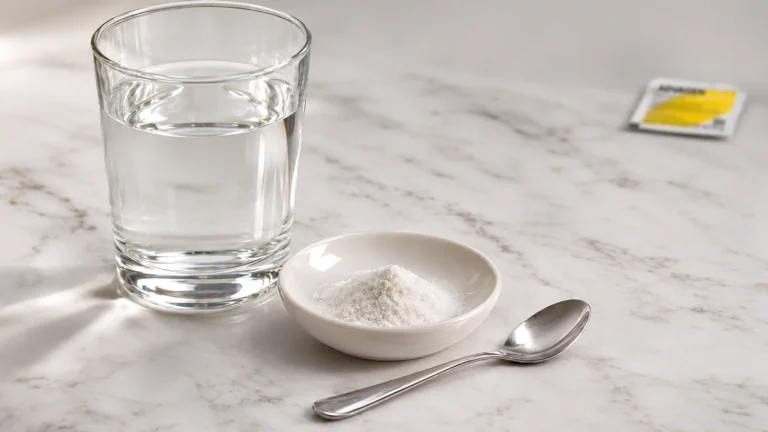
If you’d like one that’s easy to fit into your day, you could look at ADVAGEN Prebio. It’s a soluble fiber made from corn (resistant dextrin). It doesn’t form a gel, and it doesn’t change the taste or texture of your food or drink. You stir a sachet into the drink you’re already having. The product page says adults can take 1 to 4 sachets a day.
ADVAGEN Prebio
Soluble fiber in 5 g powder sachets, 30 sachets per pack. SGD 29.60 in the official ADVAGEN shop (price checked 18 November 2026).
- See the product page for the directions
- Have a question first? Ask us on WhatsApp
Comparing options? Our guide on how to choose a fiber supplement walks through what to check on the label. If you’re pregnant, take regular medicines or have a health condition, check with your doctor or pharmacist before you start any supplement.
FAQ
Is it normal to have hard stools every day?
Not really. The NHS and NIDDK count hard, dry or lumpy stools and straining as constipation symptoms, even if you go daily. Start with fluids, fiber and your toilet routine. If it doesn’t improve within a week, or you notice any of the warning signs above, see a doctor.
How long until stools get easier after changing my diet?
Some people notice a change within days; for others, the NHS says, it takes a few weeks. Add fiber slowly over 2 to 3 weeks, as SingHealth suggests, and keep drinking regularly.
Can my medicine or supplements cause hard stools?
Some can. HealthHub mentions calcium and iron supplements, antacids and some heart or blood pressure medicines. Ask your doctor or pharmacist whether yours could be a factor. NIDDK’s advice is to keep taking your medicines and supplements as they are until you’ve spoken to a health professional.
Does using a foot stool really make a difference?
HealthHub, the NHS and NIDDK all suggest it. Raising your feet so your knees sit above your hips, and leaning forward with a straight back, puts you in an easier position to go.
I feel bloated as well. Is that related?
HealthHub lists feeling bloated as one of the symptoms of constipation. If bloating is the main problem, our guide on feeling bloated without eating much may help. See a doctor if it’s strong or doesn’t settle.
References
- HealthHub: constipation
- HealthHub: more fibre
- SingHealth: high fibre diet
- NHS: constipation
- NIDDK: symptoms and causes of constipation
- NIDDK: eating, diet and nutrition for constipation
- NIDDK: treatment for constipation
- MedlinePlus: constipation
- ADVAGEN Prebio: product page
This article is general information, not medical advice. ADVAGEN Prebio is a dietary fibre supplement and is not intended to diagnose, treat, cure or prevent any disease. Speak to a doctor or pharmacist about your own health.
Share this article: