

You have a little bottle of probiotic drink every morning. It’s a habit, it feels good for your gut, and it’s easy. Then you hear about prebiotic fibre and wonder whether your drink is enough. The short answer: they do different jobs, so one doesn’t stand in for the other. Here’s what each does, and a simple way to use both.
Key takeaways
- A probiotic drink brings in bacteria. Prebiotic fibre is food for the bacteria already living in your gut. Different jobs.
- A daily drink doesn’t tell you whether you reach Singapore’s fibre target of 20 g a day for women and 26 g for men.
- If your drink is sweetened, check its Nutri-Grade mark before it becomes a daily habit.
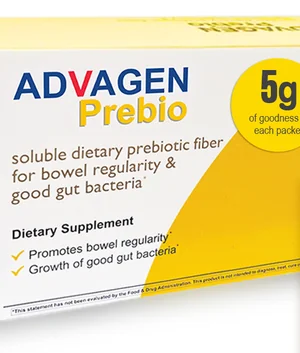
- Count the fibre you already eat first. A single-serve fibre sachet then closes the gap simply; ADVAGEN Prebio lists 5 g of dietary fibre per sachet.
Probiotic drink vs prebiotic fiber: which job do you need done?
A probiotic drink brings live bacteria in. Prebiotic fibre feeds the bacteria already living in your gut. So a daily drink is one habit, and it doesn’t cover the fibre side on its own. The International Scientific Association for Probiotics and Prebiotics (ISAPP) says prebiotics feed the helpful microbes living in your digestive tract, and that those targeting gut microbes are particular kinds of dietary fibre. A probiotic is something else: ISAPP describes true probiotics as live microbes, given at a set dose, that have been tested and shown to benefit health.
So the question isn’t which one wins. It’s which job you’re asking it to do. Here’s the quick view:
| Probiotic drink | Prebiotic fibre | |
|---|---|---|
| What it is | A drink with live bacteria added, often a fermented milk | A type of dietary fibre your gut bacteria feed on |
| Its job | Brings bacteria in | Feeds the bacteria you already have |
| Where you find it | Some yoghurts and fermented milks | Some fibre-rich foods (not every fibre is a prebiotic), or a prebiotic fibre supplement |
| What to check | The pack’s directions and its Nutri-Grade mark | Grams of fibre per serving and how much you already eat |
Many people have both, and that’s fine. If you’re weighing up supplements rather than drinks, our guide to choosing a probiotic or prebiotic supplement in Singapore goes through that choice.
What a probiotic drink does, and what its label can’t tell you
A probiotic drink is a common way people take in live bacteria. ISAPP notes that probiotics turn up in a number of foods, some yoghurts and fermented milks in particular, and the NHS describes them as live bacteria and yeasts, usually found in yoghurts or taken as supplements.
What the bottle can’t tell you is how much difference it makes for you. The NHS says there’s some evidence that probiotics may help in some cases, but little evidence for many of the health claims made about them, and you can’t always be sure there are enough bacteria in a product for it to work. So enjoy your drink as one good habit, not your whole gut plan.
Two practical points from HealthHub’s page on probiotics: follow the instructions on the packaging, because different probiotic products have different instructions on timing and food, and don’t mix them into hot food or drinks. HealthHub also says some bloating at the start should improve as your gut adapts.

What prebiotic fiber does, and how much fibre Singapore asks for
HealthHub says that in Singapore, the recommended fibre intake is 20 g for women and 26 g for men. A probiotic drink doesn’t tell you whether you reach it. Prebiotic fibre works on a different part of the picture. It reaches your large gut, where your resident gut bacteria ferment it. Our page on how gut bacteria ferment fibre explains that step in plain words. One thing to know before you shop: ISAPP says most prebiotics are dietary fibres, but not all dietary fibres are prebiotics.
That’s the real gap: your drink can be a daily habit while your fibre still falls short.
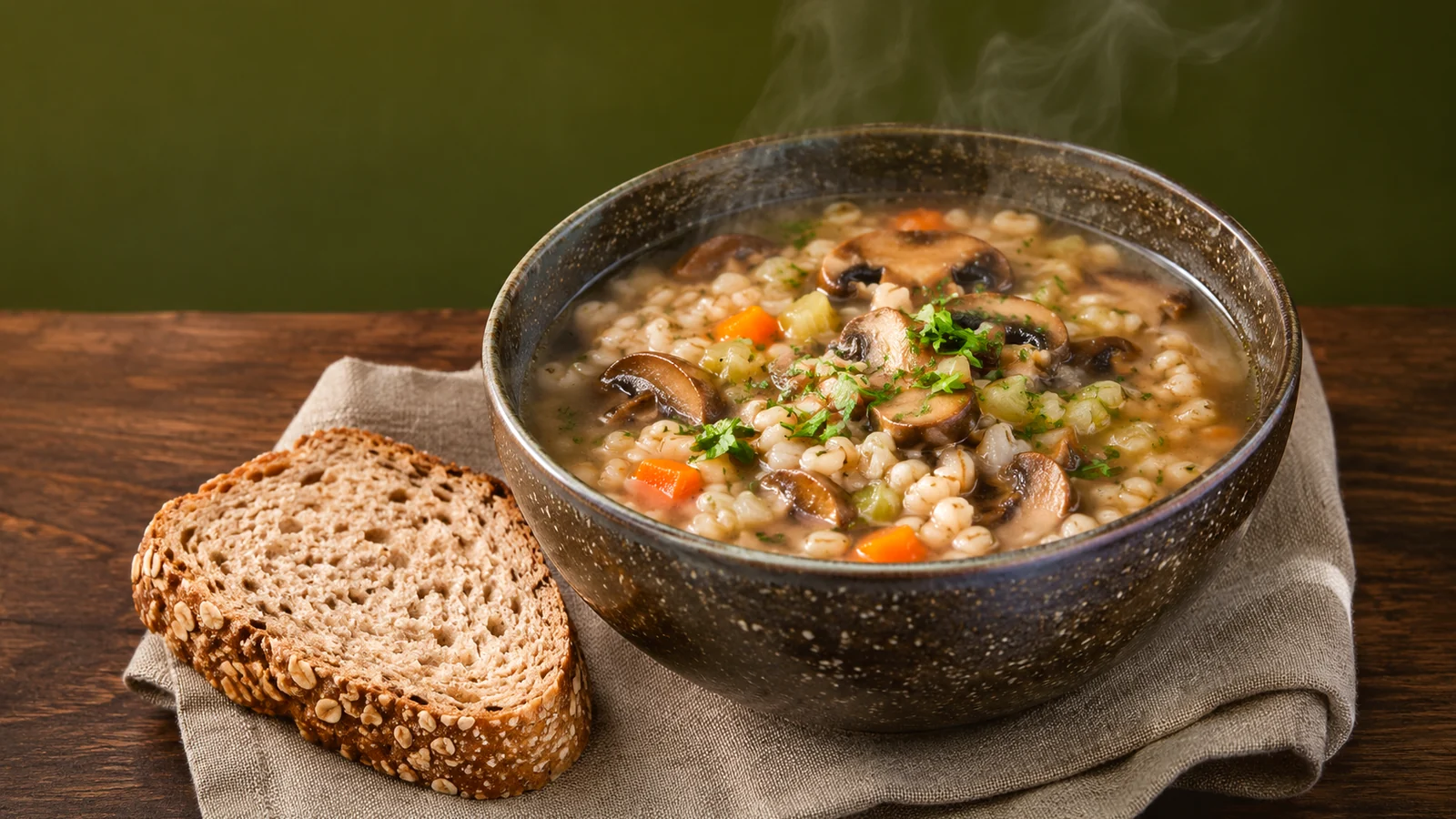
Food should do most of the work. HealthHub lists oats and barley among its fibre sources, and wholegrains, vegetables, fruit and beans all count. If you eat out a lot, our tips on getting fibre when eating out in Singapore help at the hawker centre. When you’re ready to compare products, see how to choose a fibre supplement.
Probiotic drinks in Singapore: check the sugar first
Look for the Nutri-Grade mark on the bottle: it shows the drink’s grade and its sugar percentage. HealthHub’s Nutri-Grade page explains that Nutri-Grade grades drinks by their sugar and saturated fat, with A the lowest and D the highest. The sugar percentage on the mark tells you how much sugar is in the drink.
The sugar bands per 100 ml, from HealthHub:
- B: more than 1 g to 5 g of sugar
- C: more than 5 g to 10 g of sugar
- D: more than 10 g of sugar
HealthHub’s advice is to limit Nutri-Grade C and D drinks, and it adds that full-fat dairy drinks, being high in saturated fat, land in grade C or D. Grades A and B don’t have to show the mark, so no mark can simply mean a lower grade. The quick habit: turn the bottle around before you make it a daily thing. If it’s a C or D, a less sweet option, or a less frequent one, is worth a thought. If fibre becomes a daily habit too, read taking a fibre supplement every day.
A 3-step routine: drink, food fibre, then a sachet if there’s a gap
- Keep your drink if you enjoy it. Follow its pack directions and pick a lower Nutri-Grade where you can.
- Count your fibre for a few ordinary days. Compare it with 20 g (women) or 26 g (men). Wholegrains, vegetables, fruit and beans first.
- Fill the gap slowly. If you’re still short, a prebiotic fiber sachet can top you up. HealthHub warns that adding a lot of fibre too fast can bring on gas, bloating or constipation, so start small and build up. Drink enough water as well; our page on water with a fibre supplement covers the drinking side.
Here’s the count with a single sachet. ADVAGEN Prebio comes as 5 gram powder in a sachet, in a box of 30, and the label lists 5 g of dietary fibre per sachet. Say you’re a woman who eats about 12 g of fibre on a normal day. One sachet takes you to 17 g, and your meals cover the rest. The sachet helps you add soluble fibre to your daily diet, right next to the food you already enjoy.
Can you have the sachet on the same day as your drink? They do different jobs, so one doesn’t replace the other. Follow each pack’s directions, and ask a pharmacist if you take regular medicines.
Who should ask a doctor or pharmacist first
A drink or a sachet is no substitute for a check-up when something is wrong. HealthHub says to see a doctor if constipation hasn’t improved after a week, or is getting worse, and straight away for signs such as:
- blood in the stools
- very bad stomach pain or cramping
- sudden changes in bowel habits, especially together with a drop in body weight
SingHealth says a change in your bowel habit that lasts longer than 3 weeks needs a doctor’s check, and lists medicines such as iron and calcium supplements among those that can affect your bowels. If you have a long-term condition or a weakened immune system, the NHS says to talk to a doctor before taking probiotic supplements. For fibre, ADVAGEN’s own FAQ lists abnormalities of the gastrointestinal tract as a reason not to take Prebio. On regular medicines, see fibre supplements and medicine timing.
Where ADVAGEN Prebio fits
If step 3 shows a gap, ADVAGEN Prebio is a simple way to close it. The product page describes it as soluble fibre that does not form into a gel and does not affect the taste and texture of food and beverage. It dissolves and mixes easily in an instant, so you can add it to the food or drink of your choice, and it’s sugar-free and gluten-free. ADVAGEN’s FAQ says it is unflavored and taste-free. It sits beside your probiotic drink and does a different job: it helps you add soluble fibre to your daily diet.

ADVAGEN Prebio
Soluble prebiotic fibre in 5 g powder sachets, 30 sachets per pack. Available from the official ADVAGEN shop.
- See the Prebio product page for the label and directions
- Have a question first? Ask us on WhatsApp
Want the bigger picture first? Start at the ADVAGEN Prebio home page.
FAQ
Is a probiotic drink enough for gut health?
It’s one habit, not the whole picture. A probiotic drink brings in bacteria, while prebiotic fibre feeds the bacteria already in your gut. And Singapore’s daily fibre target is 20 g for women and 26 g for men, so check how much fibre your meals and your drink actually give you.
How many probiotic drinks per day is right?
Follow the directions on the pack, because products differ. HealthHub says different probiotic products have different instructions on timing and food. If the drink is sweetened, its Nutri-Grade mark is worth a look too, since HealthHub advises limiting C and D drinks.
Is prebiotic fibre the same as a probiotic?
No. A probiotic is live bacteria. A prebiotic is a substance, usually a type of dietary fibre, that feeds the beneficial bacteria already in your gut. ISAPP also notes that not every dietary fibre counts as a prebiotic.
Can I drink coffee with my probiotic drink?
HealthHub’s advice on probiotics is not to mix them into hot food or drinks. So drink your probiotic as it comes, rather than stirring it into a hot kopi, and follow the directions on its pack.
Can I take fibre and a probiotic drink on the same day?
They do different jobs, so one doesn’t replace the other. Follow each pack’s directions, start the fibre slowly with enough water, and ask a pharmacist first if you take regular medicines.
References
- ISAPP: what is a probiotic?
- ISAPP: what is a prebiotic?
- NHS: probiotics
- HealthHub: probiotics
- HealthHub: more fibre for a fit and fabulous you
- HealthHub: Nutri-Grade mark
- HealthHub: constipation
- SingHealth: chronic constipation
- ADVAGEN Prebio: product page
- ADVAGEN Prebio: FAQs
This article is general information, not medical advice. ADVAGEN Prebio is a dietary fibre supplement and is not intended to diagnose, treat, cure or prevent any disease. Speak to a doctor or pharmacist about your own health.
Share this article: