

How to choose a fibre supplement: work out how much fibre you’re missing, pick one that names its fibre, start small, choose a texture you’ll actually enjoy, read the label, check the claims and plan around your medicines. Get those seven right and fibre becomes a daily habit, not another tub gathering dust at the back of the cupboard.
Here’s the thing most of us won’t admit. We know fibre matters, and we still don’t eat enough of it. Long workdays, quick lunches near the office, late dinners. Vegetables and beans quietly drop off the plate. A good fibre supplement covers that gap without asking you to change how you eat. This guide shows you what to look for, and how ADVAGEN Prebio stacks up on each point.
Why fibre is worth the effort
Fibre isn’t just about the toilet, though that’s part of it. According to HealthHub, getting enough helps in three everyday ways:
- You stay regular. Insoluble fibre adds bulk, which helps keep bowel movements regular.
- Stools are softer. Soluble fibre takes up water, so stools pass more easily.
- You feel full for longer. That extra bulk helps you stop at one plate instead of going back for more.
The Singapore target is 20 g a day for women and 26 g for men. If your meals don’t get you there, a supplement is an easy top-up. HealthHub’s one tip worth remembering: add fibre gradually, so your gut can get used to it.
Key takeaways
- Know your gap: 20 g a day for women, 26 g for men.
- Pick a product that names its fibre. Psyllium, inulin and resistant dextrin don’t behave the same.
- Start small and build up over a few weeks.
- Choose a texture you’ll keep drinking. Thick fibres need lots of water.
- HSA doesn’t approve supplements, so read the claims yourself.
Rather skip the guesswork? ADVAGEN Prebio names its one fibre on the pack and comes in 5 g sachets you add to the food or drink of your choice. Check the price and stock.
1. Work out how much fibre you’re missing
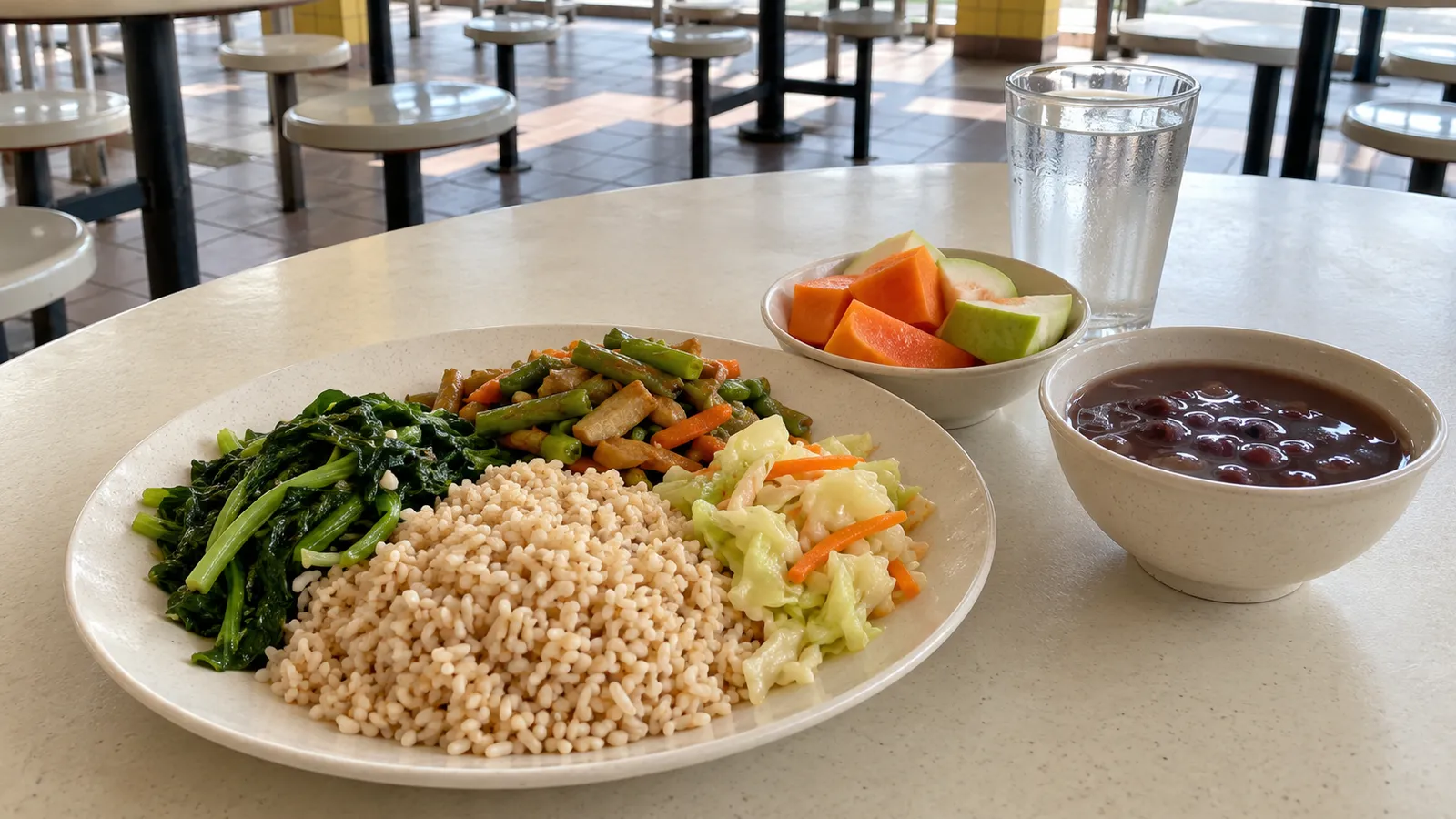
Your fibre gap is simple maths: the daily target minus what you already eat. Think about yesterday. White bread in the morning, mee pok at lunch, a takeaway dinner on the sofa. Tasty, sure, but there’s not much in it in the way of vegetables, beans or wholegrains.
Food should still do most of the work. Fibre supplements can’t give you everything whole foods do, because real food brings more than fibre. So eat well first, and let a supplement cover the days you can’t.
That’s where Prebio fits. It helps you add soluble fibre to your daily diet, one 5 g sachet at a time, on the days your meals come up short.
2. Pick a product that names its fibre
Flip the tub over. If the ingredients just say “fibre blend”, you’ve no idea what you’re buying. Look for one named fibre, like psyllium, inulin or resistant dextrin.
The name matters because fibres work differently. Whether a fibre dissolves, how much and how fast it ferments, and whether it thickens or turns to gel all change what it does in your gut. For the basics, read soluble or insoluble fibre and what actually determines how fibre works.
You’ll see “prebiotic” on lots of packs too. The international scientific definition is a substance that’s selectively used by the microorganisms in your body and gives a health benefit. In everyday terms, it’s food for the bacteria already living in your gut. Our article on what happens when gut bacteria ferment fibre covers the rest.
Prebio keeps it simple: one named fibre, resistant dextrin, a plant-based soluble prebiotic fibre from corn. Nothing tucked away in a blend.
3. Start small, especially if your gut is sensitive
Fibre that gut bacteria ferment can make gas, so go easy at the start. HealthHub warns that too much fibre too quickly can bring gas and bloating.
A lot of people learn this the hard way: they go from almost no fibre to a big scoop on day one, then wonder why they feel puffy by lunch. Start low, add a little every few days, and drink water with it.
Sachets make that easy. With Prebio, start with one sachet a day. The product page allows 1 to 4 sachets a day for adults, so you can build up at your own pace.
4. Choose a texture you’ll enjoy every day
The fibre that helps is the one you actually keep taking. So think about where it’ll go. A glass of water? A smoothie? Your breakfast porridge? Some fibres turn thick and gloopy. Others dissolve and you barely notice them.
Thick fibres need care. Psyllium powder has to be mixed with at least 240 mL of water or another drink, and you add more if it gets thick. Without enough liquid it can swell, block your throat and make you choke.
This is where Prebio is easy to live with. It’s soluble, doesn’t form a gel and doesn’t change the taste or texture of your food or drink. Tear a sachet, stir it in until it dissolves, and get on with your day. It mixes into food too.

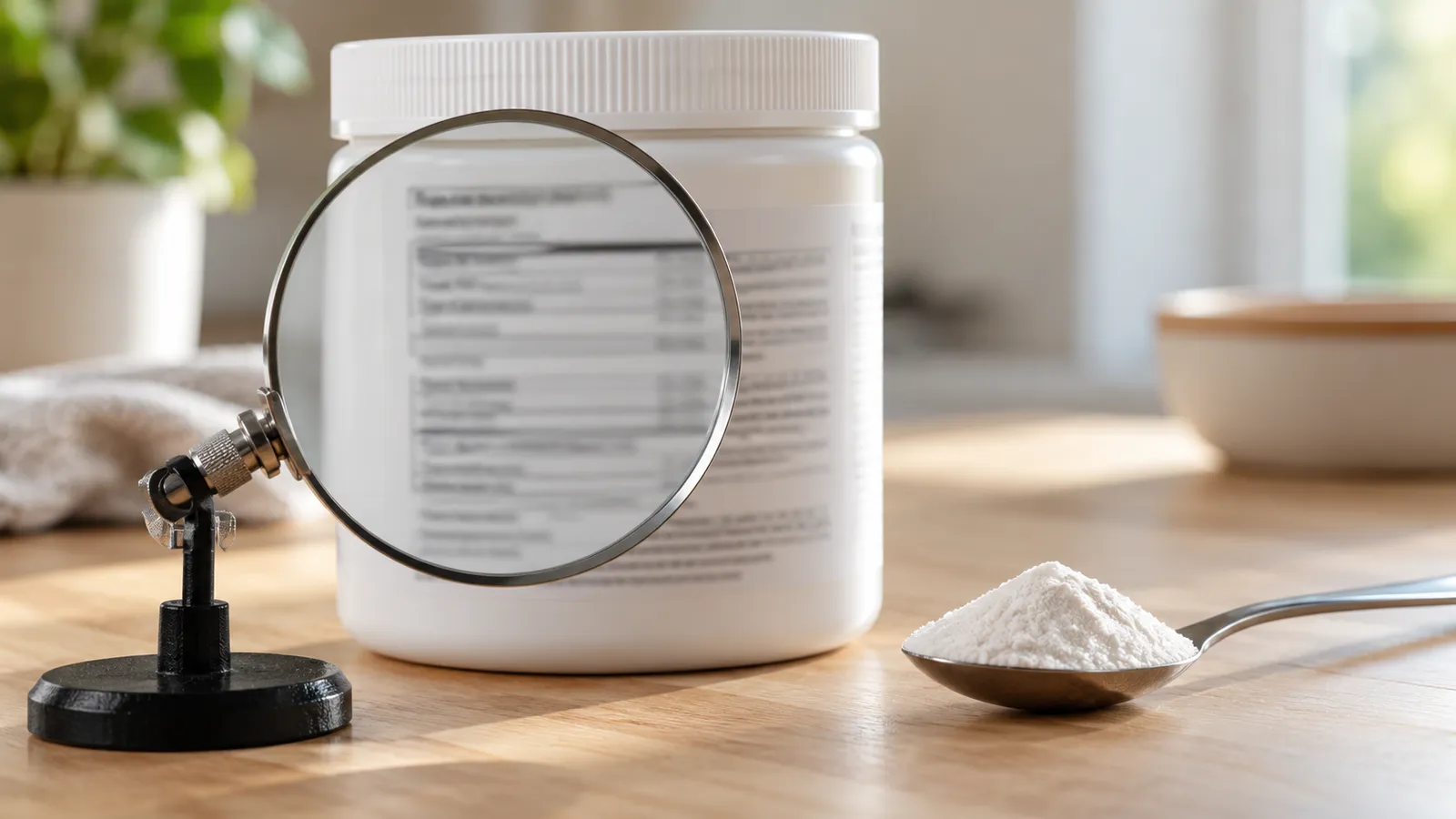
5. Read the rest of the label
The back of the pack tells you what else you’re getting. Look for:
- How much fibre one serving gives, and how many servings you’d need to close your gap.
- The price per serving, not just per tub. Divide the pack price by the number of servings.
- Added sugar or sweeteners, if you’re watching your sugar.
- Flavourings, colourings and anything you avoid for health, allergy or religious reasons.
- Directions for children, and anything about pregnancy or medicines.
Prebio’s label is short. It’s sugar-free and gluten-free, with no artificial colourings, flavourings or preservatives. The product page gives directions for adults and children, and asks you to check with a paediatrician first for children under 6. At SGD 29.60 for 30 sachets, that’s about SGD 0.99 a sachet.
6. Check the claims against Singapore’s rules
It’s easy to assume a supplement on the shelf here has been checked and approved. It hasn’t. HSA says it doesn’t approve or license health supplements before they’re imported, made or sold. It does set limits on toxic heavy metals, and the companies selling supplements have to make sure they’re not harmful.
Three quick checks you can do in the shop:
- “HSA-approved” isn’t a real status for a supplement. A company can voluntarily notify HSA about a product, but that’s not an approval.
- Disease promises are a red flag. HSA says supplements mustn’t be labelled, advertised or promoted for any medicinal purpose, and that includes hinting that they treat or prevent a disease.
- “Supports” and “maintains” are the honest words. Allowed claims are about supporting or maintaining health, well-being or a normal body process.
Prebio sticks to that. It helps you add soluble fibre to your daily diet. The product page says it’s made in a GMP-compliant facility.
7. Plan around your medicines
Psyllium can stop some medicines from being absorbed properly, so patient guides advise keeping other medicines 2 hours apart from it. Whatever fibre you choose, ask your pharmacist about timing if you take something regularly.
Don’t take psyllium if you have trouble swallowing, and get medical help straight away for chest pain, vomiting, or trouble swallowing or breathing after a dose. If your bowel habits change and stay changed, see a doctor. If you’re pregnant or managing a health condition, check with your doctor or pharmacist before starting any fibre supplement.
How do I choose between psyllium, inulin and resistant dextrin?
Pick by what bothers you most: texture, gas or hassle.
| Fibre | What to know | Watch for |
|---|---|---|
| Psyllium | Thickens in liquid. Mix the powder with at least 240 mL of fluid. | Choking risk without enough liquid; keep medicines 2 hours apart. |
| Inulin | A fermentable prebiotic fibre. | Wind and bloating are the usual complaints. |
| Resistant dextrin | A soluble fibre. The resistant dextrin in ADVAGEN Prebio doesn’t form a gel and doesn’t change the taste or texture of food and drinks. | Start with a small amount, as with any fermentable fibre. |
If you can’t stand thick drinks, a fibre that doesn’t gel will be far easier to stick with. If gas worries you, start lower and go slower, whichever one you pick.
Get ADVAGEN Prebio
If you’ve read this far, you probably want a fibre that’s simple: one named ingredient, a clean label, and no thick drink to force down. That’s Prebio. Stir a sachet into the food or drink you already have, and you’ve topped up your soluble fibre for the day. Food still comes first. Prebio just makes the gap easier to close.
ADVAGEN Prebio at a glance
- What it is: a plant-based soluble prebiotic fibre supplement. Ingredient: resistant dextrin (soluble prebiotic fibre from corn).
- What it does: helps you add soluble fibre to your daily diet.
- How it mixes: soluble, dissolves easily, doesn’t form a gel and doesn’t affect the taste or texture of food and drinks.
- Label: sugar-free and gluten-free, with no artificial colourings, flavourings or preservatives. Made in a GMP-compliant facility, according to the product page.
- How to take it (product page directions): adults 1 to 4 sachets a day; children ½ to 1 sachet a day; for children under 6, ask a paediatrician first.
- Pack: 30 sachets of 5 g powder.
Ready to try a named fibre?
Where to buy ADVAGEN Prebio
5 g sachetSugar-freeGluten-freeNo gel
SGD 29.60 for 30 sachets SGD 36.00
About SGD 0.99 a sachet. Price checked on 25 October 2026; the shop page shows the current price and stock.
Dietary fibre supplement. Not intended to diagnose, treat, cure or prevent any disease.
FAQ
How much fibre should I get a day in Singapore?
HealthHub’s target is 20 g a day for women and 26 g for men. Count what your meals already give you first. If food gets you there, you may not need a supplement at all. If you’re short, a supplement can close the gap while you work more vegetables, fruit, wholegrains and beans into your meals.
Does “HSA-approved” on a fibre supplement mean anything?
Not in the way it sounds. HSA says it doesn’t approve or license health supplements for import, manufacture or sale. A company may voluntarily notify HSA about a product, but that’s a notification, not an approval. The seller is responsible for keeping the product safe and its claims within HSA’s rules.
Which fibre is most likely to cause gas?
Fibres that gut bacteria ferment can cause gas, and inulin is a common culprit, with wind and bloating the usual complaints. Whatever you choose, start small, build up over a few weeks and drink fluids with it.
Can I mix a fibre supplement into my drinks?
It depends on the fibre. Psyllium thickens, so it needs at least 240 mL of fluid, plus more if it gets thick. A soluble fibre that doesn’t form a gel is much easier to stir in. ADVAGEN Prebio, for example, goes into the food or drink of your choice and doesn’t change its taste or texture.
Read next: what resistant dextrin is and how much is too much, or what fibre is good for constipation.
Sources
- HealthHub Singapore. Boost your health: the essential benefits of dietary fiber. Link
- Health Sciences Authority, Singapore. Regulatory overview of health supplements. Link
- Health Sciences Authority, Singapore. Health supplement claims. Link
- ISAPP. Prebiotics. Link
- Psyllium: patient and caregiver information. Link
- Choosing fibre supplements (2015). PubMed
This article is general information, not medical advice. ADVAGEN Prebio is a dietary fibre supplement and is not intended to diagnose, treat, cure or prevent any disease. Speak to a doctor or pharmacist about your own health.




Share this article:






[…] next: how to choose a fibre supplement, or what happens when gut bacteria ferment […]
[…] next: how to choose a fibre supplement, or what resistant dextrin is and how much is too […]
[…] Read next: what resistant dextrin is and how much is too much, or how to choose a fibre supplement. […]
[…] next: how to choose a fibre supplement, or what resistant dextrin is and how much is too […]
[…] next: how to choose a fibre supplement, or what fibre is good for […]
[…] about what to look for in a fibre supplement? Our guide on how to choose a fibre supplement walks you through the […]
[…] Food still comes first, of course. A supplement simply helps you fill the gap on the days your plate falls short. For more tips on reading labels, see how to choose a fibre supplement. […]