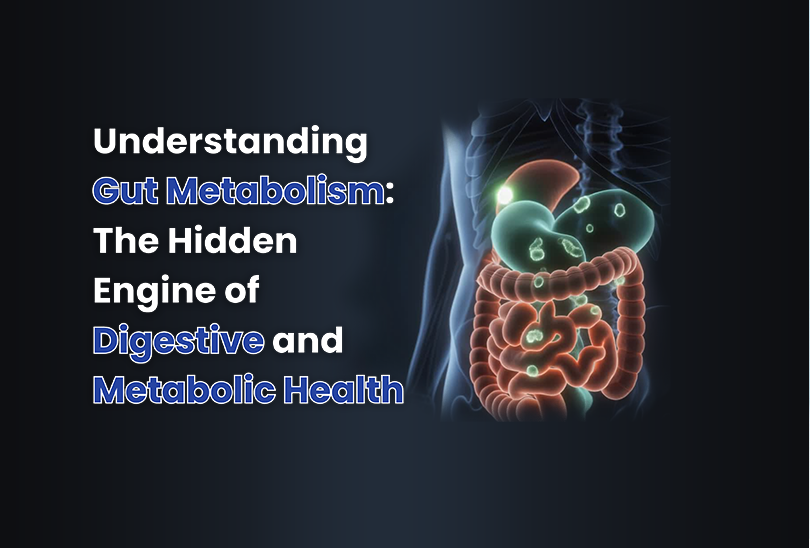
Understanding Gut Metabolism: The Hidden Engine of Digestive and Metabolic Health
When people think about metabolism, they often imagine how the body burns calories or converts food into energy. However, an important part of this process happens in a place many people overlook: the gut. Inside the digestive system lives a vast ecosystem of trillions of microorganisms that actively participate in metabolic processes that influence digestion, energy balance, and body weight.
This intricate interaction between the digestive system, gut microbiota, and metabolic signalling is known as gut metabolism. Scientists increasingly recognize that the efficiency of this system can influence everything from nutrient absorption to appetite regulation and even body fat distribution.
Understanding how gut metabolism works provides valuable insight into why digestive health plays such an important role in overall metabolic wellness.
What Is Gut Metabolism and Why It Matters
Gut metabolism refers to the collective metabolic activity that occurs within the digestive tract involving the gut microbiota, intestinal cells, and metabolic hormones. The trillions of bacteria living in the gut break down nutrients that the human body cannot digest on its own, transforming them into bioactive compounds that influence multiple bodily functions.
One of the most important outcomes of this microbial activity is the production of short chain fatty acids (SCFAs) such as acetate, propionate, and butyrate. These compounds serve as key metabolic signals that help regulate:
- Energy extraction from food
- Blood sugar control
- Fat storage and breakdown
- Appetite signalling
- Gut barrier integrity
- Immune responses
In addition, gut metabolism plays a role in the production of hormones involved in appetite and satiety, such as GLP-1 and peptide YY. These hormones help communicate with the brain to regulate hunger and fullness after meals.
When gut metabolism is functioning optimally, these processes work together to maintain metabolic balance. However, when the gut environment becomes disrupted due to poor diet, overeating, stress, or irregular eating habits, metabolic efficiency may decline.
How Gut Metabolism Can Influence Your Waistline
One of the most intriguing areas of research in recent years has been the connection between gut microbiota and body weight. Studies have shown that differences in gut microbial composition can affect how efficiently calories are extracted from food and how fat is stored in the body.
Certain gut bacteria are associated with improved metabolic regulation and reduced fat accumulation, while others may contribute to increased energy harvest and fat storage.
When gut metabolism becomes imbalanced, several changes may occur that influence waistline and body composition:
- Altered energy extraction
Some microbial communities can extract more calories from the same amount of food, potentially contributing to weight gain over time.
- Changes in fat storage signals
Gut microbes influence metabolic signalling pathways that regulate how the body stores fat, particularly in the abdominal region.
- Reduced production of beneficial metabolites
Lower levels of SCFAs may affect insulin sensitivity and appetite regulation, which can indirectly influence body weight.
- Inflammatory responses
An imbalanced microbiome may trigger low grade inflammation, which is increasingly linked to metabolic disorders and central adiposity.
These mechanisms help explain why maintaining a balanced gut environment can be an important factor in managing body weight and abdominal fat.
Supporting Gut Metabolism Through the Microbiome
Diet plays one of the most important roles in shaping gut metabolism. Nutrients that reach the colon, particularly certain types of dietary fibers, serve as fuel for beneficial bacteria. As these microbes ferment the fibers, they produce metabolites that support metabolic health.
Regular bowel movements, microbial diversity, and the presence of beneficial bacteria all contribute to a well-functioning metabolic environment in the gut.
However, modern diets often contain highly processed foods and insufficient microbiome supporting nutrients. Periods of overeating, festive feasting, or irregular eating schedules may further disrupt the balance of gut bacteria, temporarily affecting digestive and metabolic function.
As a result, supporting the gut environment has become an increasingly important strategy in maintaining metabolic balance.
How ADVAGEN PrebioTrim Supports Gut Metabolism
ADVAGEN PrebioTrim is designed to support gut metabolism through a microbiome focused approach. The formulation combines complementary ingredients that work together synergistically to influence the gut environment and metabolic signalling pathways.
These ingredients interact with the gut microbiota to support the growth of beneficial bacteria while providing bioactive microbial components that participate in metabolic regulation. By working together within the digestive system, this combination helps support several key aspects of gut metabolism:
- Encouraging beneficial microbial activity
The formulation supports the growth and activity of beneficial bacteria that contribute to healthy metabolic signalling.
- Supporting metabolic signalling pathways
Microbial metabolites generated in the gut play a role in regulating appetite hormones, insulin sensitivity, and energy balance.
- Promoting digestive regularity
Supporting the gut environment may help maintain regular bowel movements, which is important for digestive comfort and metabolic balance.
- Helping maintain healthy body composition
By supporting gut microbial balance and metabolic activity, the formulation contributes to mechanisms associated with weight and waistline management.
Rather than focusing on a single pathway, this approach recognizes that metabolism within the gut is influenced by multiple interconnected factors.
Gut Metabolism and Long-Term Metabolic Health
The gut is increasingly recognized as one of the most important metabolic organs in the body. Through its interactions with the microbiome, digestive system, and hormonal signalling networks, gut metabolism helps coordinate many processes involved in energy balance, body fat and weight regulation.
A healthy gut metabolic environment supports:
- Efficient digestion and nutrient absorption
- Balanced appetite signalling
- Stable blood sugar control
- Healthy fat distribution
- Regular bowel function
Maintaining this balance involves a combination of diet, lifestyle habits, and strategies that support the gut microbiome.
The Bottom Line
Gut metabolism is a powerful but often overlooked driver of overall metabolic health. The trillions of microorganisms living in the digestive system actively influence how food is processed and energy extracted, and how the body regulates appetite and fat storage.
When the gut environment is balanced, these metabolic processes work efficiently to support digestion, energy balance, and healthy body composition. However, disruptions to the gut microbiome may affect these signals and contribute to metabolic imbalances.
Supporting gut metabolism through microbiome focused strategies can therefore play an important role in maintaining digestive health and metabolic wellness. ADVAGEN PrebioTrim is designed to support this process by working within the gut environment to encourage beneficial microbial activity for optimal metabolic balance.
Connect with us on:
Available at: