
The “Metabolic Rebound”: Why Fast Weight Loss Often Leads to a Biological Backlash
In today’s fast paced world, rapid weight loss is often seen as a desirable goal. From extreme dieting to aggressive calorie restriction, many approaches promise quick results. While these methods may lead to short term weight reduction, they often come with an unintended consequence known as metabolic rebound.
Metabolic rebound refers to the body’s natural biological response to rapid weight loss, where it adapts by slowing metabolism, increasing hunger, and promoting fat regain. Understanding this response is essential for anyone seeking sustainable weight management and long term metabolic health.
What Is Metabolic Rebound
Metabolic rebound is the body’s protective mechanism against perceived energy deprivation. When calorie intake drops sharply or weight is lost too quickly, the body interprets this as a potential threat to survival.
In response, several physiological adaptations occur:
- Resting metabolic rate decreases
- Hunger hormones increase
- Satiety signals weaken
- The body becomes more efficient at storing fat
These changes are part of a process known as adaptive thermogenesis, where the body conserves energy to maintain balance. While this response is beneficial from an evolutionary standpoint, it can make long term weight management challenging in modern settings.
Why Fast Weight Loss Triggers a Biological Backlash
- Slower Metabolism
When calorie intake is drastically reduced, the body lowers its energy expenditure to conserve fuel. This means fewer calories are burned at rest, making further weight loss harder and increasing the likelihood of weight regain once normal eating resumes.
- Increased Hunger and Cravings
Hormones that regulate appetite are significantly affected during rapid weight loss
- Ghrelin, the hunger hormone, increases
- Leptin, the satiety hormone, decreases
This hormonal shift leads to stronger cravings, increased appetite, and a higher likelihood of overeating after dieting.
- Loss of Lean Muscle Mass
Rapid weight loss often results in the loss of not only fat but also lean muscle. Since muscle tissue is metabolically active, losing it further reduces metabolic rate, compounding the effects of metabolic slowdown.
- Preferential Fat Regain
After weight loss, the body tends to regain fat more readily than muscle. This means that even if weight returns to previous levels, body composition may worsen, with a higher proportion of fat, particularly around the abdominal area.
The Role of the Gut in Metabolic Rebound
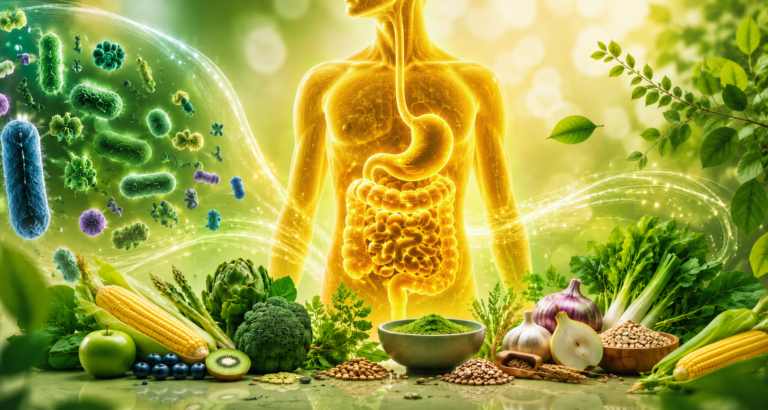
Emerging research highlights the role of the gut microbiome in regulating metabolism and weight regain.
Rapid dieting and restrictive eating can disrupt the balance of gut bacteria, leading to:
- Reduced microbial diversity
- Lower production of beneficial metabolites
- Altered energy extraction from food
- Changes in appetite regulation
Some microbial profiles are more efficient at extracting calories and promoting fat storage. After weight loss, these microbial shifts may persist, contributing to the tendency to regain weight. In this way, metabolic rebound is not just a hormonal or caloric issue, but also a microbiome driven process.
Why Sustainable Weight Loss Matters
Because of metabolic rebound, the speed of weight loss matters just as much as the amount lost.
Gradual, sustainable approaches are more likely to:
- Preserve metabolic rate
- Maintain lean muscle mass
- Support balanced appetite signalling
- Promote a healthier gut microbiome
Instead of forcing rapid changes, supporting the body’s natural systems leads to more stable long term outcomes.
Supporting Metabolism Through the Gut
One of the most effective ways to mitigate metabolic rebound is to support gut metabolism and microbial balance.
A well supported gut can:
- Improve energy regulation
- Enhance satiety signaling
- Support stable blood sugar levels
- Influence fat storage pathways
This is where targeted nutritional strategies can play a role.
How PrebioTrim Supports a Balanced Metabolic Approach
PrebioTrim is designed to support gut metabolism through a focused mechanism rather than extreme calorie restriction.
Its formulation combines complementary ingredients that work together within the gut to:
- Encourage the growth of beneficial gut bacteria
- Enhance metabolic signalling pathways
- Promote digestive regularity
- Contribute to healthy body composition and balanced energy metabolism
By working with the body’s natural systems, this approach helps support gradual and sustainable metabolic changes rather than triggering the stress responses associated with rapid weight loss.
A Smarter Approach to Weight Management
Understanding metabolic rebound shifts, the focus away from quick fixes and toward long term metabolic health. Instead of asking how fast weight can be lost, a more important question is how well the body is supported during the process.
A balanced approach includes:
- Consistent and adequate nutrition
- Regular physical activity
- Sufficient sleep and stress management
- Support for gut microbiome and metabolism
These factors work together to create a stable internal environment that supports sustainable results.
The Bottom Line
Fast weight loss may seem effective in the short term, but it often triggers a biological backlash known as metabolic rebound. This response slows metabolism, increases hunger, and promotes fat regain, making long term weight management more difficult.
By understanding the role of hormones, metabolism, and the gut microbiome, it becomes clear that sustainable strategies are more effective than extreme approaches.
Supporting gut metabolism and working with the body, rather than against it, provides a more balanced and lasting path toward better metabolic health and weight management.
Connect with us on:
Available at: