
Prebiotic Fiber and Coffee: A Better Way to Boost Your Morning
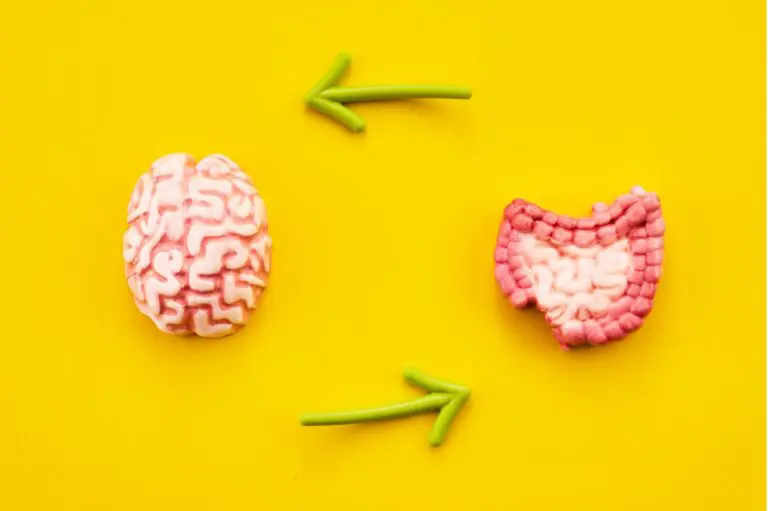
For many of us, the day doesn’t truly begin until we’ve had that first cup of coffee. While we love the caffeine kick, your gut loves it for a different reason. Recent study highlights that coffee does more than wake up your brain; it significantly impacts bowel function and the complex ecosystem of your gut microbiome.
Why your gut loves coffee?
It is a well-documented fact that coffee stimulates colonic motility (the coordinated contractions and relaxations of colon muscular walls), often creating a compelling need to defecate shortly after ingestion. This effect is partly due to coffee’s ability to act on the neuromuscular system, stimulating muscle contractions in the gut to move waste along.
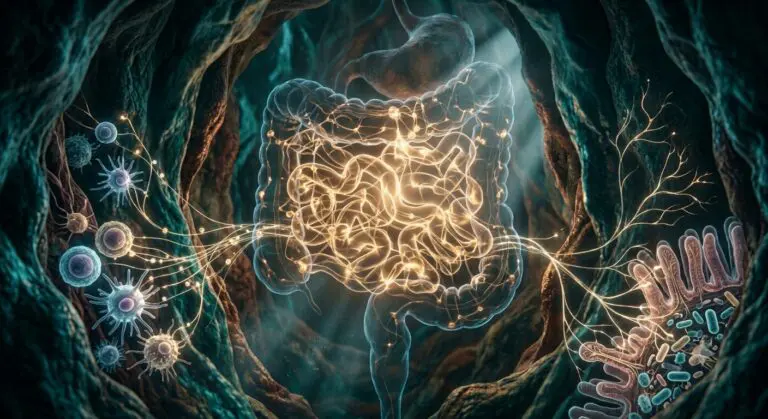
Coffee acts as a complex biological modulator for the trillions of microbes living in your gastrointestinal tract. Moderate coffee consumption—typically defined as 3 to 4 cups a day—is associated with several health benefits in the gut microbiome
1. Increased Gut Microbiota Diversity: Higher coffee intake is linked to increased “alpha diversity,” which is a hallmark of a resilient and healthy gut ecosystem.
2.Boosting Good Bacteria: Research indicates that coffee consumption can increase the relative abundance of beneficial bacterial phyla like Actinobacteria and Firmicutes.
3. Promoting Bifidobacterium: In human volunteer studies, drinking three cups of coffee daily for just three weeks was shown to significantly increase the population of Bifidobacterium—a key genus of “good” bacteria essential for digestive health.
4. The Power of Polyphenols: Coffee contains over 1,000 bioactive compounds, including chlorogenic acids and melanoidins, which act as fuel for beneficial microbes and offer antioxidant benefits
Coffee, but not too much
While coffee offers impressive benefits, it isn’t a perfect solution for everyone. Excessive consumption (more than 4 or 5 cups a day) can lead to adverse effects, such as an increased risk of gastroesophageal reflux disease (GERD) and potential interference with the absorption of certain minerals like calcium and iron. Furthermore, relying on coffee as a stimulant for bowel regularity can sometimes be inconsistent, particularly for those who experience the discomfort of bloating.
Coffee and Prebiotic Fiber: A Complementary Approach
But for those struggling with chronic constipation or irregular bowel movements, relying solely on coffee can be a double-edged sword. Excessive intake can sometimes lead to digestive irritation. Alternatively, supplementation of dietary fiber such as resistant dextrin can provide a smoother, more reliable solution for bowel regularity. Unlike harsh laxatives, resistant dextrin works naturally with your body to soften stool and support the steady transit of food through your system, ensuring you feel light and regular every single day.
By integrating prebiotic fiber into your routine, it helps stabilize your digestive environment, ensuring that the “good” processes—like nutrient absorption and waste elimination—happen efficiently and comfortably.
Who May Benefit from Prebiotic Fiber Supplementation?
Prebiotic fiber supplements containing resistant dextrin may be especially helpful for:
- Individuals experiencing occasional constipation or bloating
- People with low fiber intake due to busy lifestyles
- Adults looking to support long-term gut and digestive health
- Coffee drinkers seeking additional digestive support
Because resistant dextrin is tasteless and dissolves easily, it can be conveniently incorporated into daily routines—mixed with water, coffee, or other beverages.
Connect with us on:
Available at:




Share this article: